Football remains the world's most powerful sporting language. Sports Lounge covers the game beyond results and rumours, exploring the people, clubs, cultures, decisions and business forces shaping modern football. From title races and tactical shifts to ownership, leadership and identity, our football coverage is written for readers who want perspective rather than noise.
CoveragePremier LeagueChampions LeagueInternational footballFootball businessManagers and leadershipCulture and identity
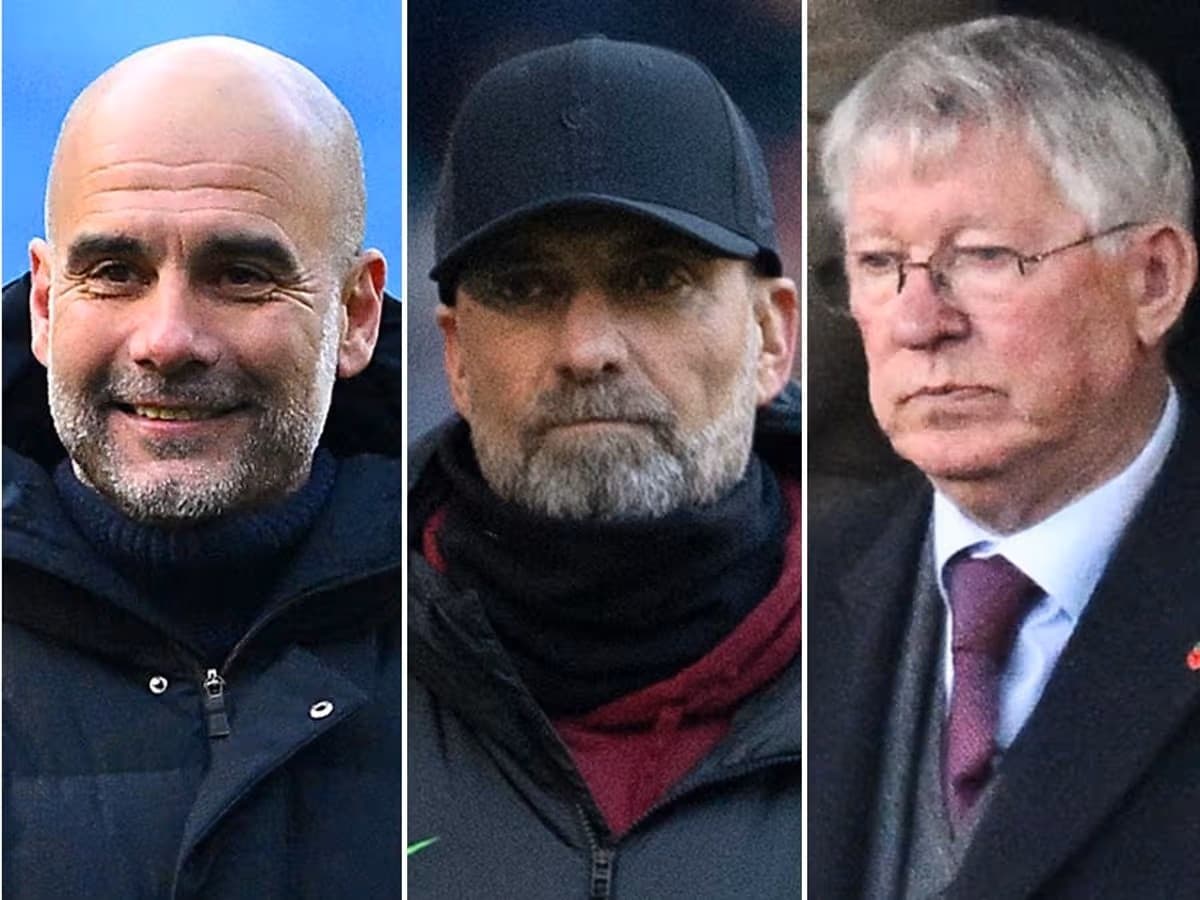
As the 2026/27 season begins, English football’s greatest export is still growing — and its strength lies in a formula its rivals have never quite been able to reproduce.
There are ownership announcements in football that change the name above the door, and there are those that quietly change the balance of power behind it. Liverpool’s latest deal belongs firmly in the second category.
For more than a century, football has belonged to nobody and everybody at the same time.
That simple idea has been at the heart of the world's game. Clubs belong to communities. National associations govern within their own borders. Continental bodies such as UEFA, CONMEBOL and the AFC organise competitions. Above them all sits FIFA – not as an owner, but as the game's custodian.
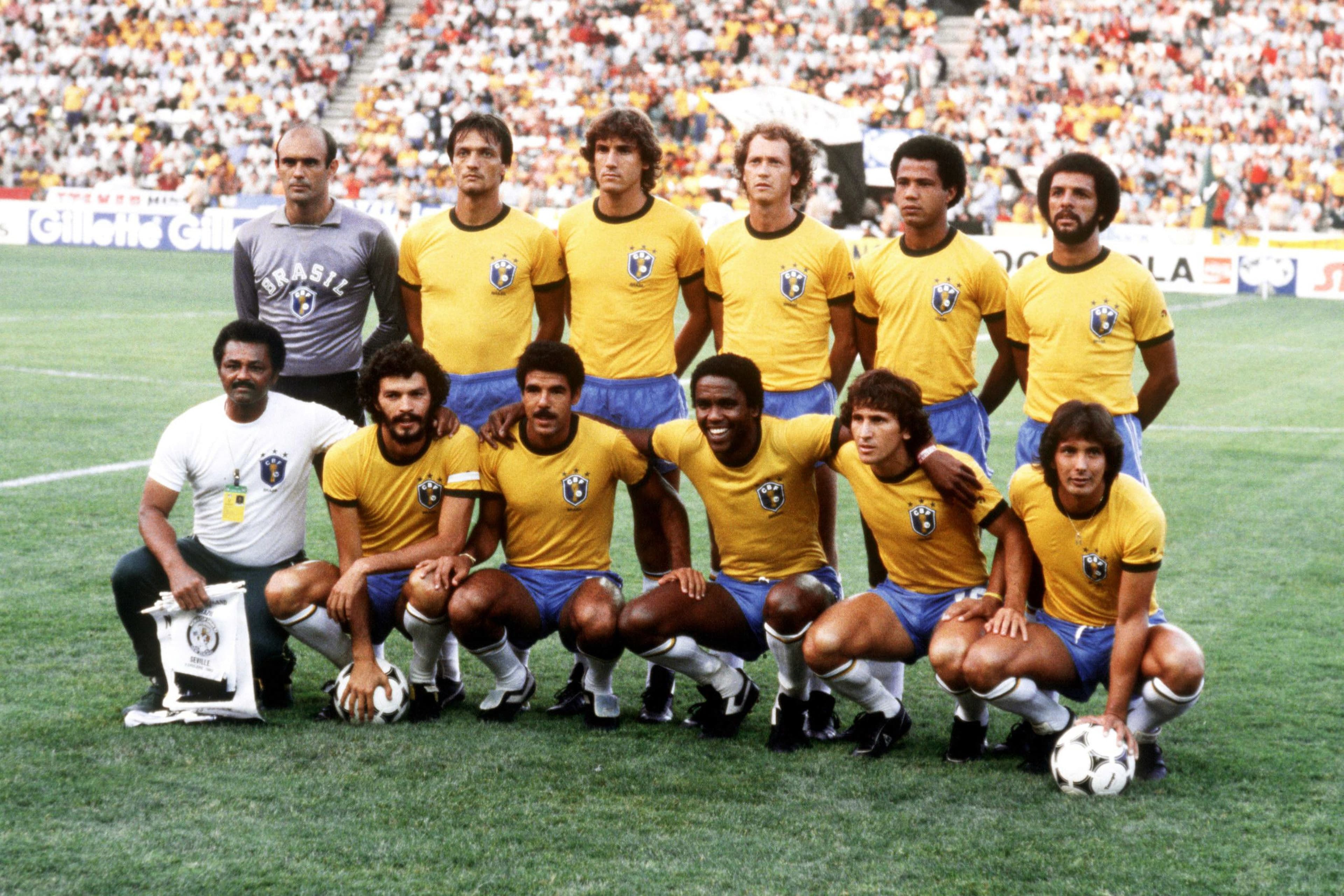
Brazil travelled to Spain with a midfield of rare intelligence, a captain who looked like a philosopher and a belief that football should offer beauty as well as victory. They did not win the World Cup, but more than four decades later, their football remains loved in a way many champions can only envy.
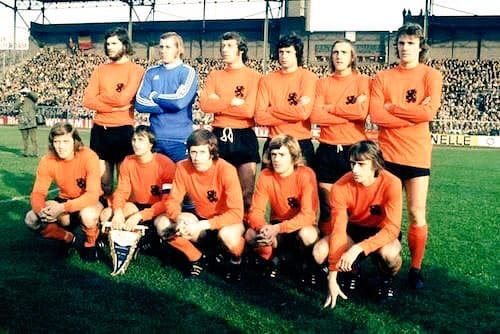
The Netherlands arrived at the 1974 World Cup with no great history in the tournament and left having changed the way football was understood. They did not take home the trophy, but their style, imagination and influence have endured for more than half a century.
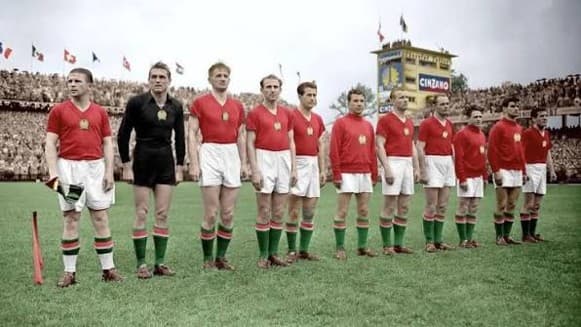
Hungary arrived at the 1954 World Cup as Olympic champions, unbeaten for four years and widely regarded as the finest football team on earth. They left Switzerland without the trophy, but their influence on the game has endured far longer than the result of one extraordinary afternoon in Bern.
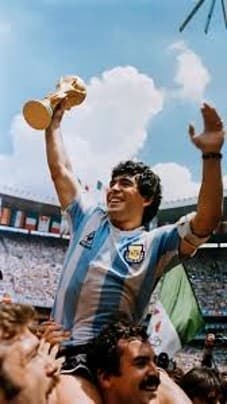
Some footballers win matches. Some win trophies. A select few become part of history. Diego Maradona did all three, leaving behind a World Cup legacy that continues to fascinate football supporters decades later.
Three nations. Sixteen host cities. Forty-eight teams. As the World Cup prepares to enter a new era, the scale of the tournament is unlike anything football has witnessed before.
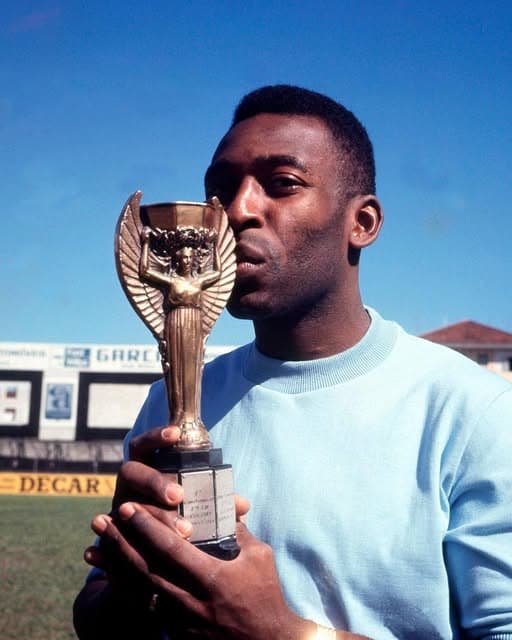
Long before football became a multi-billion-pound industry, before social media, satellite television and global superstars, there was Pelé. For millions around the world, he was not simply the game's first icon. He was football itself.
Majid Lavji··6 min read
Newsletter
The weekly sports read
Every week, Sports Lounge delivers a carefully selected round-up of the most important stories across football, cricket, rugby, golf, US sports and the business of sport.
No noise. No endless rumours. No clickbait. Just perspective.