There was a time when football clubs were impossible to separate from the communities that built them. The shipyards of Liverpool, the steelworks of Sheffield, the coalfields of the North East and the factories of the Midlands all produced more than industry; they produced football clubs that became symbols of local identity. On a Saturday afternoon, thousands of people would stream through the turnstiles not because they owned shares or sat in boardrooms, but because they felt something far more valuable. The club was theirs.
Legally, that was rarely true. Owners, directors and chairmen have always existed, and football has never been the socialist utopia some romantic memories suggest. Yet there was an unwritten understanding that those running clubs were custodians rather than proprietors. They might own the stadium, the shares and the balance sheet, but they were only ever temporary guardians of institutions that would outlive them.
Today that relationship feels increasingly distant.
Modern football is a multi-billion-pound global industry. Television rights are sold across every continent, sponsorship agreements are negotiated with multinational corporations and clubs are valued in the billions. The language surrounding the game has changed almost beyond recognition. Conversations that once centred on tactics, youth development and local rivalries now include portfolio investment, commercial growth, enterprise value and global brand expansion.
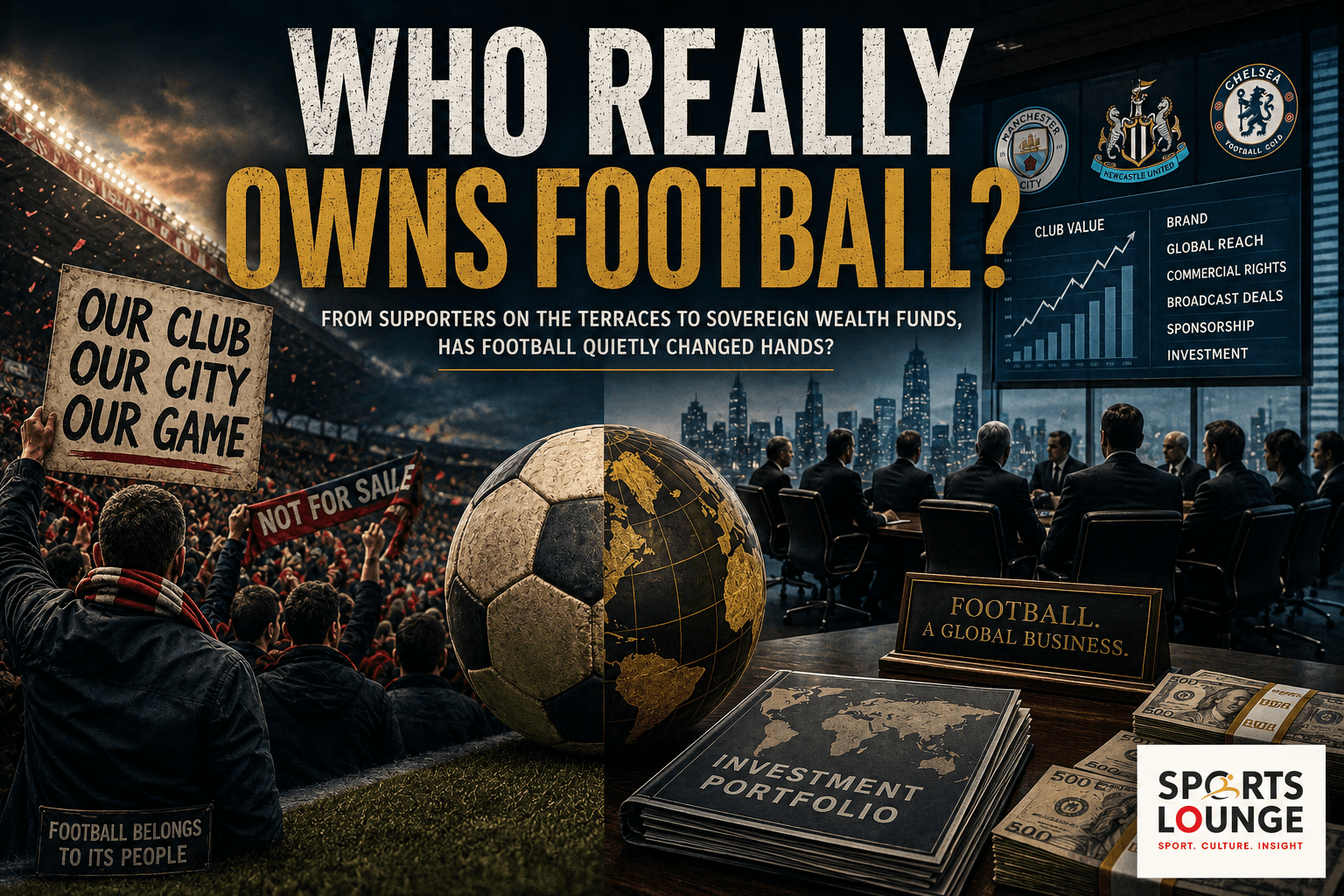
It raises a question that would have sounded absurd only a generation ago: who really owns football?
From Local Businessmen to Global Investors
Football did not change overnight. The transformation has been gradual, but its pace has accelerated dramatically over the past three decades.
The launch of the Premier League in 1992 and the growth of satellite television fundamentally altered English football's financial landscape. Suddenly, clubs were no longer dependent solely on ticket sales and local sponsorship. Broadcasting became the game's economic engine, bringing unprecedented wealth and exposing English football to audiences around the world.
With global audiences came global investors.
Roman Abramovich's purchase of Chelsea in 2003 is often remembered for the trophies that followed, but its longer-term significance lay elsewhere. It demonstrated that football clubs were no longer simply sporting institutions; they were strategic assets capable of delivering worldwide influence and recognition. Chelsea's success forced rivals to rethink not only recruitment but ownership itself.
Manchester United had already become an international commercial powerhouse under the Glazer family, despite fierce opposition from supporters. Manchester City entered a new era under the Abu Dhabi United Group in 2008, while Newcastle United's takeover by Saudi Arabia's Public Investment Fund in 2021 further illustrated how football ownership had become intertwined with global finance and geopolitics.
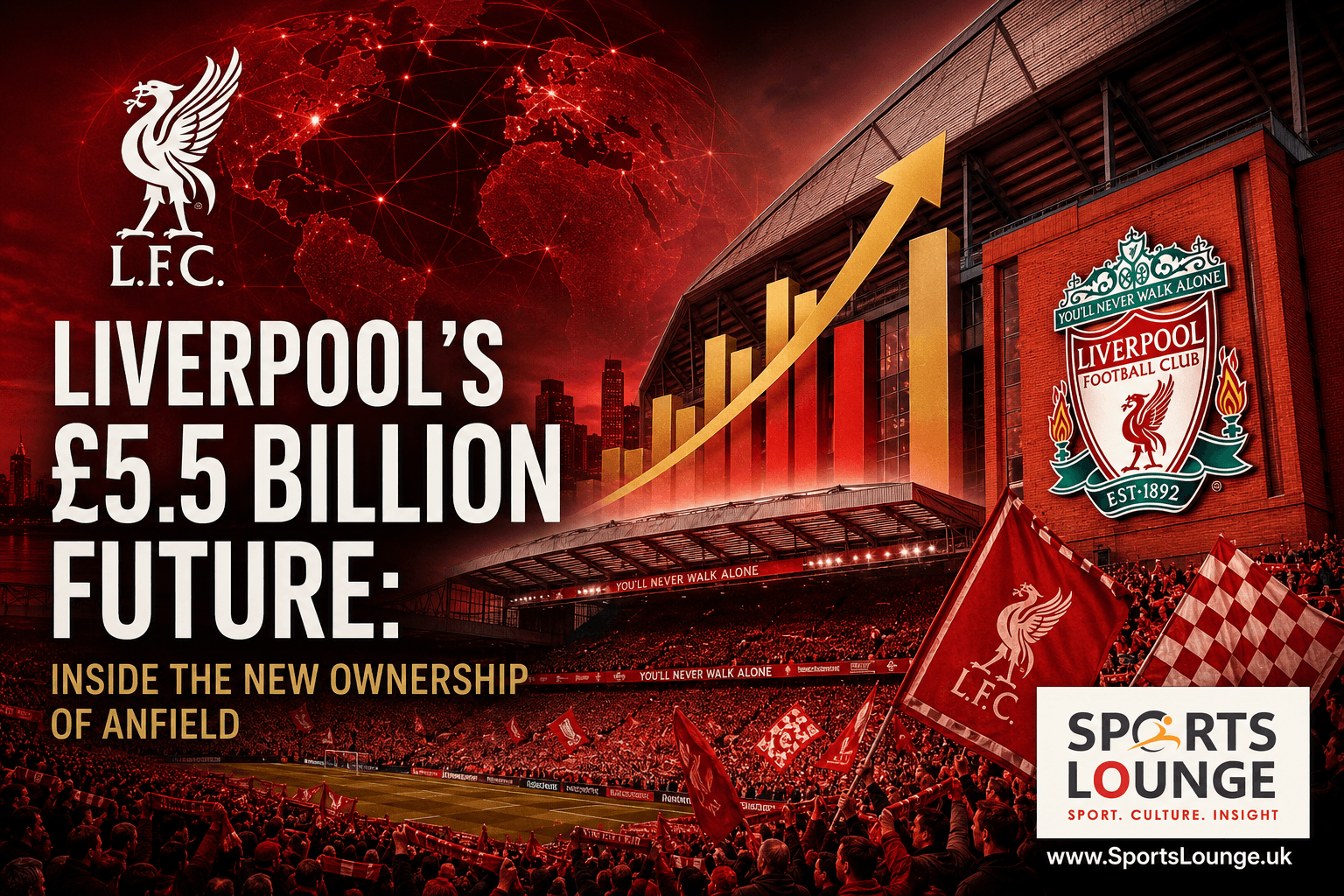
Across Europe, American investment groups have also become increasingly influential. Fenway Sports Group at Liverpool, BlueCo at Chelsea, and a growing number of US-backed ownership groups in Italy and France reflect a broader trend. Football clubs are now viewed alongside hotels, entertainment businesses and media companies as long-term investment opportunities.
That evolution has undoubtedly brought benefits. Stadiums have improved, training facilities are among the finest in world sport and the quality of football has reached extraordinary levels. Yet it has also changed the relationship between clubs and the people who support them.
Football as an Asset
Perhaps the clearest sign of football's changing identity is the rise of multi-club ownership.
City Football Group now operates clubs across several continents, sharing expertise, recruitment networks and commercial opportunities. Red Bull has built a football empire stretching from Salzburg to Leipzig and New York, while other ownership groups have adopted similar models.
From a business perspective, the logic is compelling. Shared scouting networks reduce costs. Young players can develop across different leagues. Commercial partnerships can span multiple markets. A football club becomes one piece of a much larger international portfolio.
Supporters, however, often see something different.
For generations, clubs were defined by their individuality. Their history, colours and traditions were unique to one place and one community. When clubs become part of a global network, some supporters inevitably question whether that independence survives.
The debate is not about whether investment is good or bad. Without substantial investment, many clubs would struggle to compete at the highest level. Rather, it is about whether football's identity can remain rooted in local communities while ownership becomes increasingly international.
The View from the Stands
Supporters have always understood that football requires money.
Few complain when investment produces better academies, world-class players or improved facilities. The modern game is faster, more technically advanced and more accessible to global audiences than ever before.
What concerns many supporters is the feeling that they are becoming customers rather than stakeholders.
Ticket prices continue to rise. Kick-off times are routinely moved to suit television schedules. Pre-season tours are designed around international markets, while commercial decisions increasingly reflect global audiences rather than local traditions.
The proposed European Super League in 2021 demonstrated how fragile the relationship between owners and supporters had become. Within hours of the announcement, protests erupted across England. Liverpool supporters expressed their anger, Chelsea fans gathered outside Stamford Bridge, while Manchester United supporters staged demonstrations that ultimately led to a Premier League fixture being postponed.
The speed with which the project collapsed was remarkable, but it also delivered an important reminder. Owners may possess the legal authority to make decisions, but supporters still hold something equally powerful: legitimacy.
German football offers an alternative model. The Bundesliga's 50+1 rule, while not without its critics and exceptions, ensures that member associations retain majority voting control of clubs. It reflects a belief that football institutions should remain accountable to the communities they represent rather than becoming purely commercial enterprises.
Elsewhere, clubs such as AFC Wimbledon demonstrate what supporter ownership can achieve. Formed by fans after the relocation of Wimbledon FC, the club has become one of football's most compelling examples of community-led governance.
Neither model is perfect, but both illustrate that different approaches remain possible.
The Next Frontier
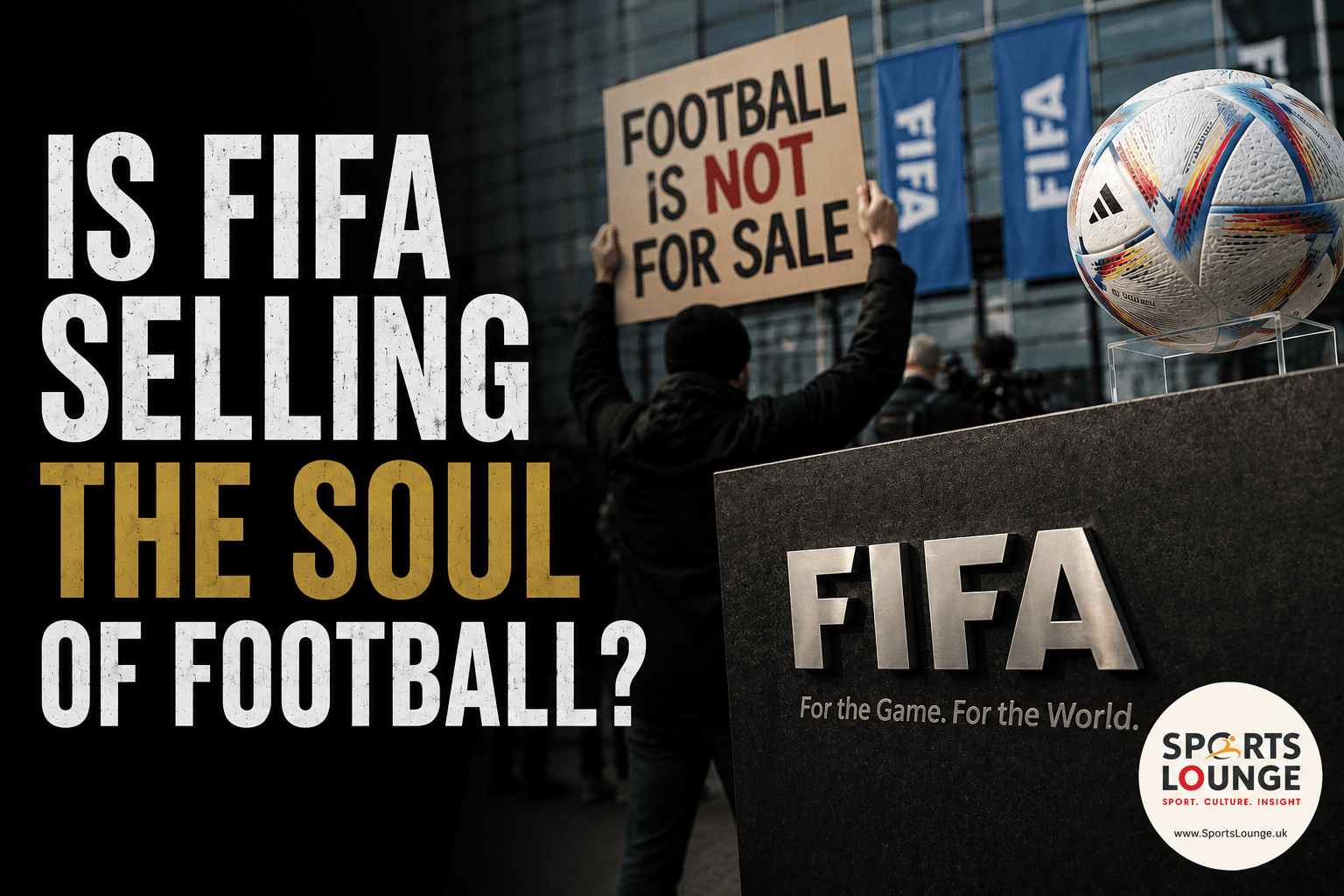
The debate surrounding FIFA's recent proposal to create a commercial company and sell a minority stake in the rights to its major competitions has added another dimension to the ownership conversation.
For much of football's history, governing bodies were viewed as custodians of the sport rather than commercial enterprises. FIFA's proposal has prompted some observers to ask whether the commercial evolution that transformed clubs is now beginning to reshape football's institutions as well.
Supporters of the proposal argue that additional investment could deliver billions of dollars for football development across emerging nations, helping the game grow in regions that have historically received far less funding than Europe.
Critics counter that governing bodies should never become vehicles for external investment, regardless of the financial benefits. Their concern is not simply about money, but about principle. If the commercial rights to the World Cup become investment assets, they argue, football risks moving further away from its traditional role as a sport governed for the benefit of the game itself.
It is a debate without easy answers.
More Than a Business
Football has always evolved. Floodlights, shirt sponsorship, television deals, all-seater stadiums and VAR were each controversial in their own time. Change is neither new nor inherently harmful.
Equally, it would be naïve to imagine that elite football could compete in today's global entertainment market without significant investment. The modern game demands resources on a scale unimaginable fifty years ago.
Yet there remains a distinction between financing football and defining its purpose.
No supporter remembers where a club ranked in commercial revenue twenty years ago. Balance sheets are quickly forgotten. What endures are the moments that become family stories: a last-minute winner, a promotion secured against the odds, a famous European night beneath the floodlights, or the first match a parent took their child to watch.
Those memories cannot be measured by market valuation.
They explain why football continues to matter in a way that few other businesses ever can.
Ownership will continue to change. New investors will arrive, clubs will be bought and sold, and football's commercial growth is unlikely to slow. But every generation of owners eventually moves on. The supporters remain.
Perhaps that is the answer to the question posed at the beginning of this article.
The shares may belong to investors. The stadiums may belong to holding companies. The television rights may belong to broadcasters.
But football itself has always belonged to the people who fill the stands, wear the colours and carry the stories from one generation to the next.
The challenge for the modern game is ensuring that, in an age of billion-pound valuations and global investment, it never forgets that simple truth.
Majid Lavji
Founder & Editor
Majid Lavji is the Founder and Editor of Sports Lounge. With more than 30 years of experience across sport, media and business, he is passionate about telling the stories behind the games we love. Through Sports Lounge, he aims to provide intelligent, engaging sports journalism that values insight, history and context as much as results and headlines.