
Football
Why the Premier League Still Rules the World
As the 2026/27 season begins, English football’s greatest export is still growing — and its strength lies in a formula its rivals have never quite been able to reproduce.
Majid Lavji8 min read
Carefully selected writing covering football, cricket, rugby, golf, US sports and the business and culture surrounding modern sport.
As the 2026/27 season begins, English football’s greatest export is still growing — and its strength lies in a formula its rivals have never quite been able to reproduce.
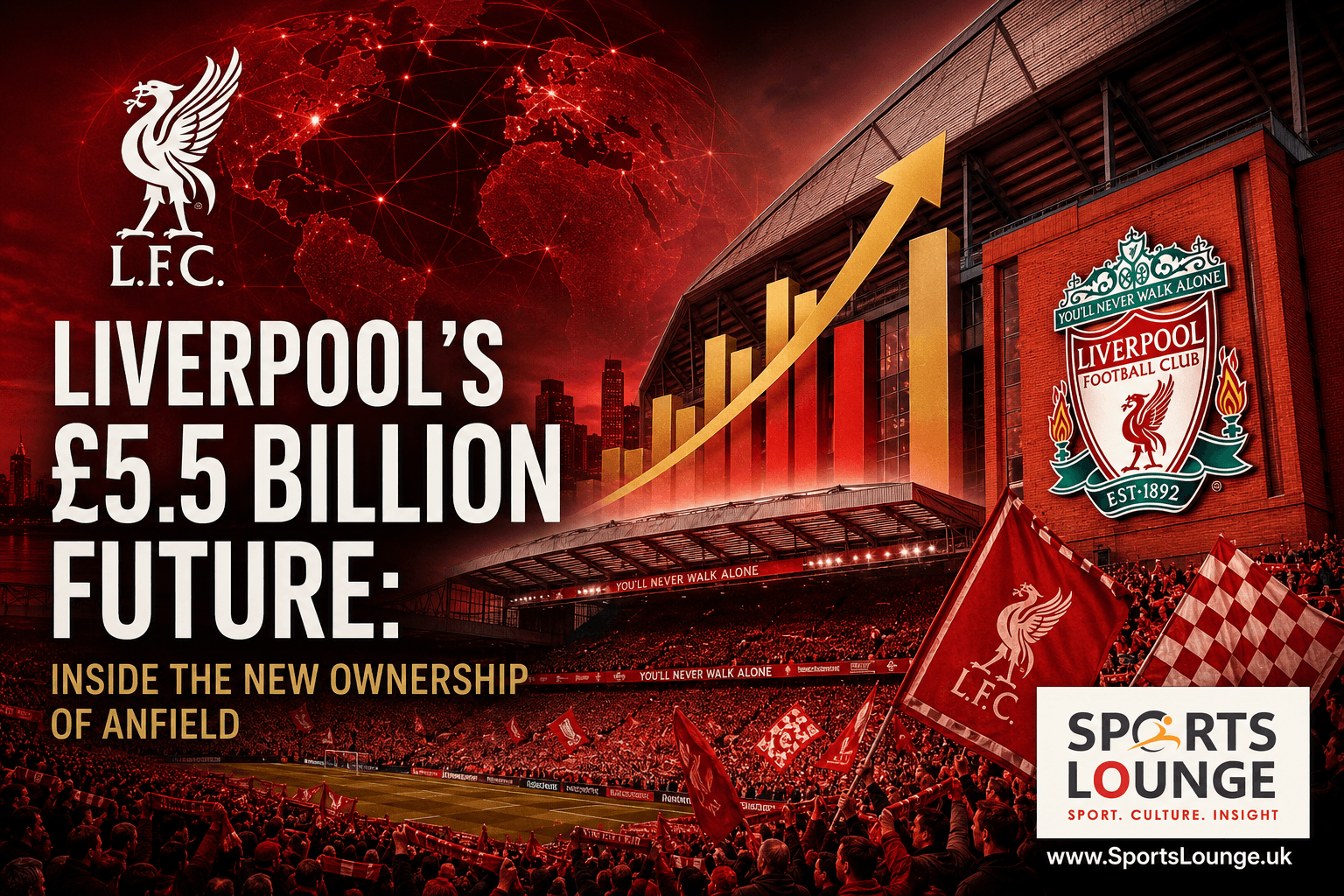
There are ownership announcements in football that change the name above the door, and there are those that quietly change the balance of power behind it. Liverpool’s latest deal belongs firmly in the second category.
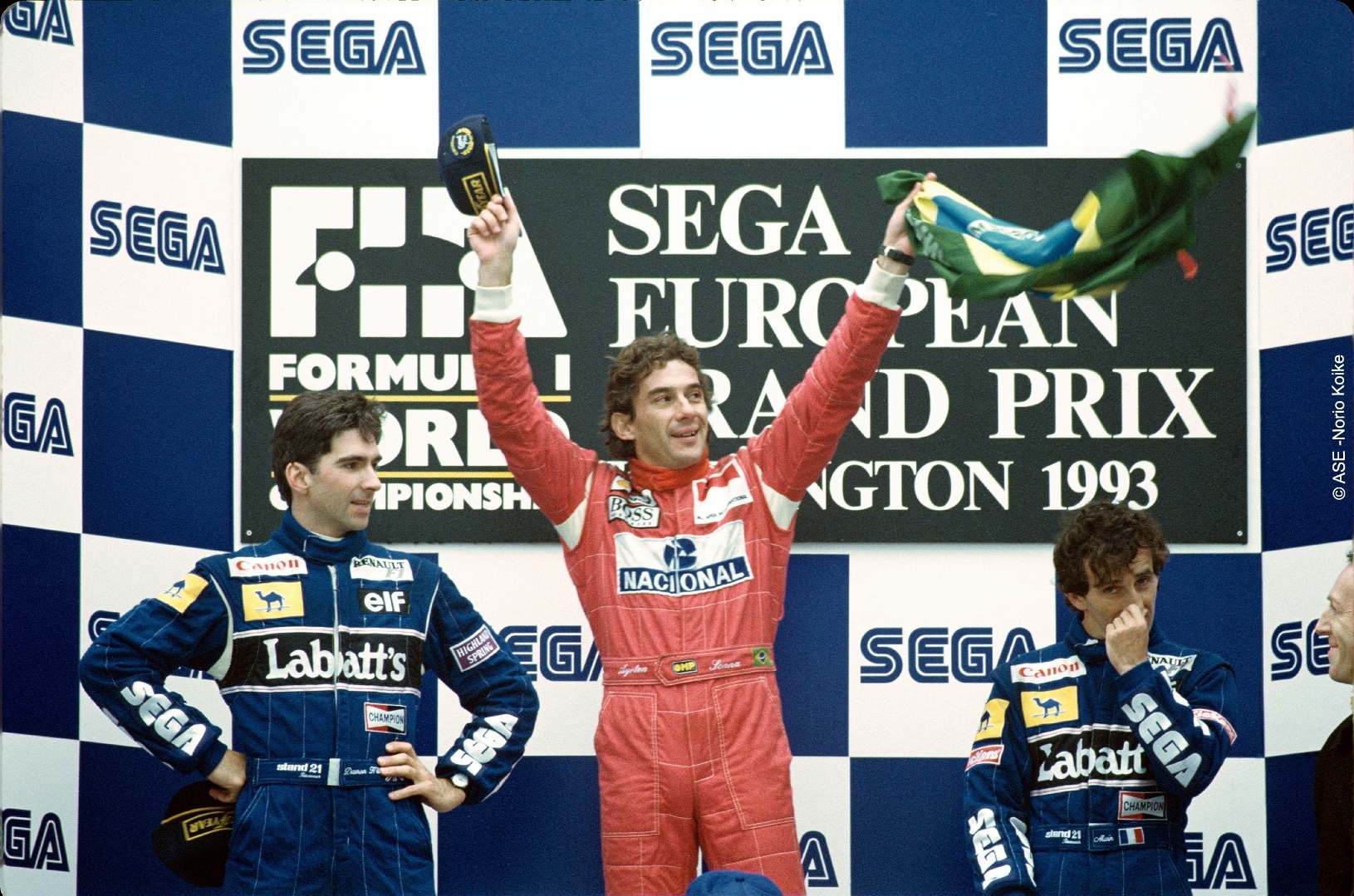
Every sport has moments that become larger than the event itself. Football has Geoff Hurst in 1966. Cricket has Botham's Ashes. Rugby has Jonny Wilkinson's drop goal. Formula One has Ayrton Senna's opening lap at Donington Park in 1993.
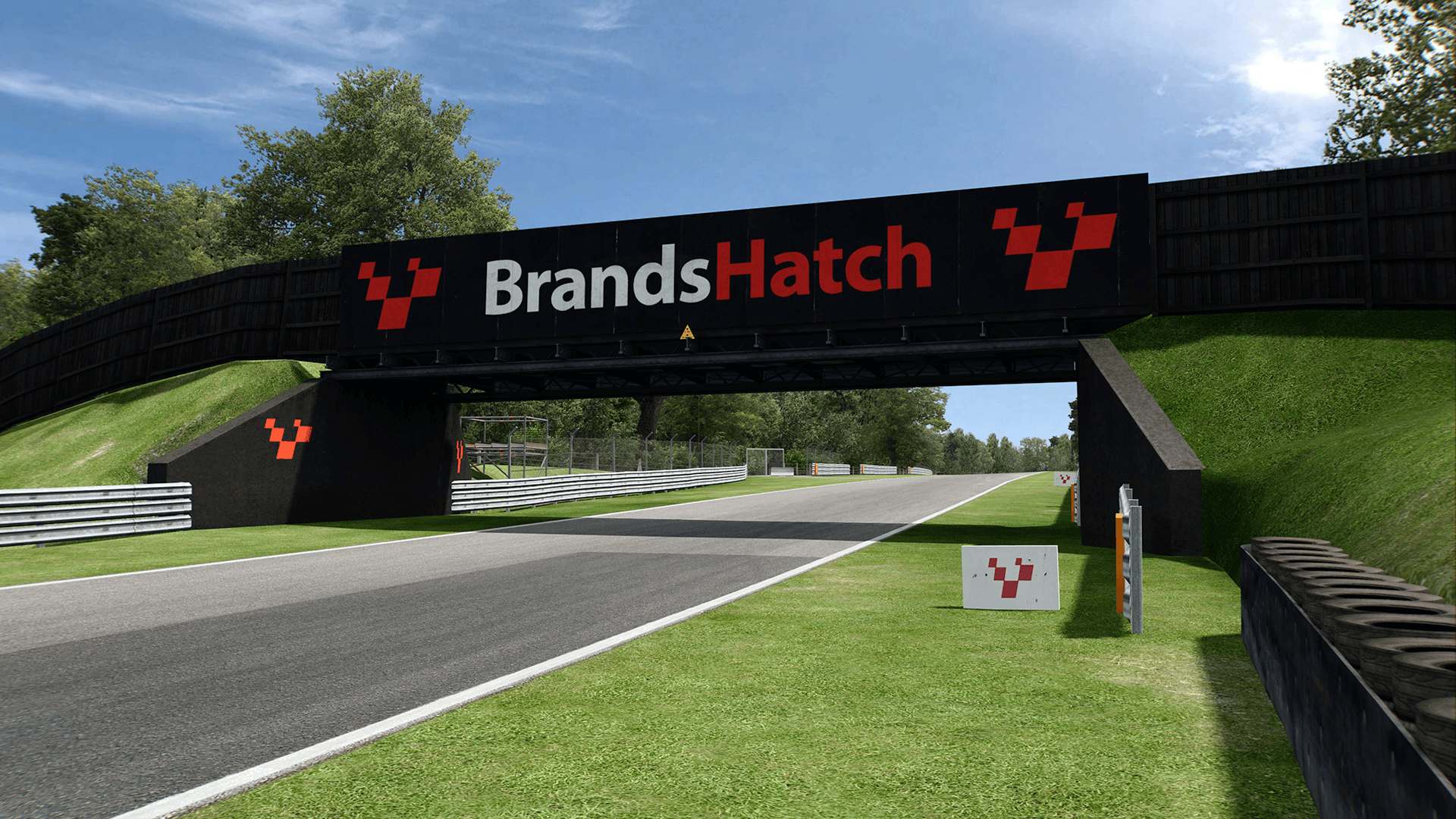
There are racing circuits that demand precision. Others reward outright speed. Then there is Brands Hatch—a circuit that asks drivers for absolute commitment from the moment the lights go out until they cross the finish line.
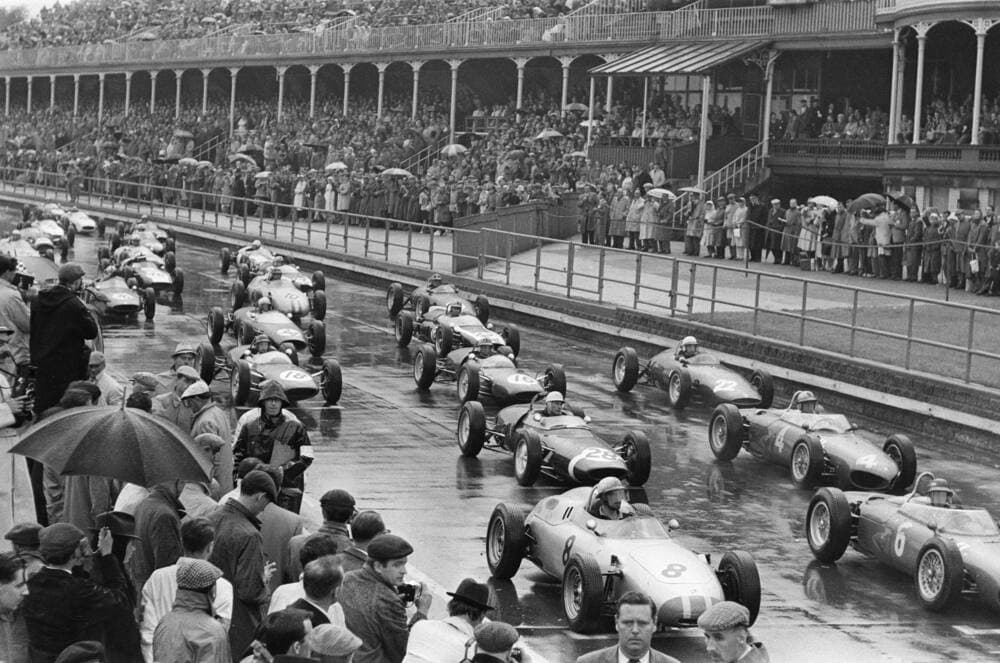
Liverpool's Aintree is best known as the home of the Grand National, but for a remarkable period in the 1950s and early 1960s it also stood at the heart of Formula One. Built within the famous racecourse, the Aintree circuit hosted the British Grand Prix and welcomed many of the sport's greatest drivers, giving the city a lasting—yet often overlooked—place in Formula One history.
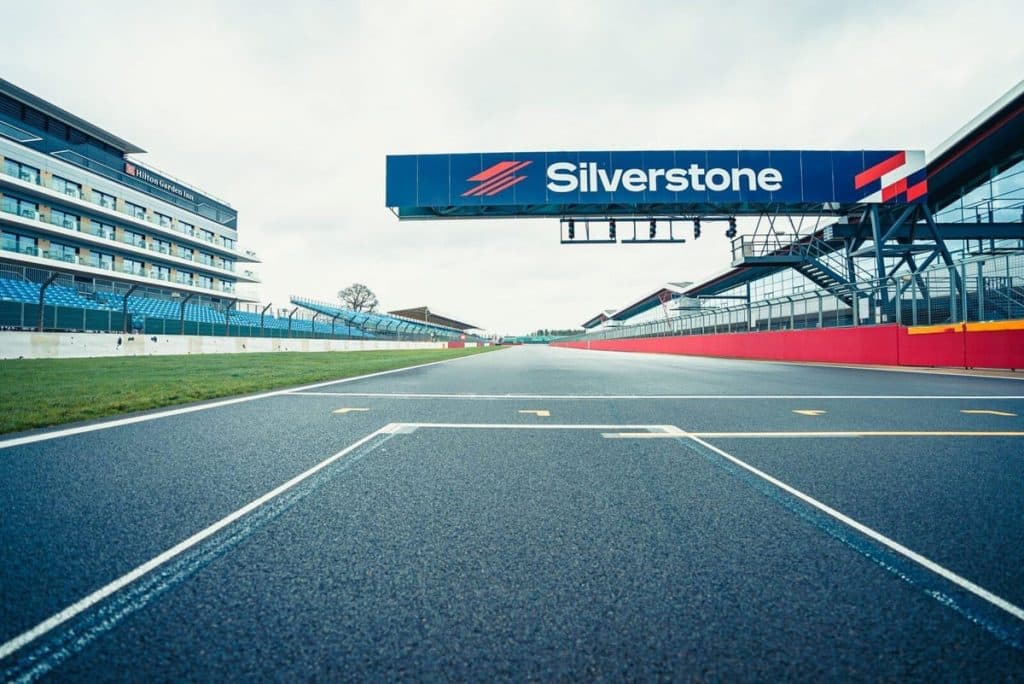
There are few sporting venues anywhere in the world that can genuinely claim to have changed history. Wembley did it for football, Lord's for cricket, Wimbledon for tennis and Augusta National for golf. In motorsport, that honour belongs to Silverstone.
There are sporting competitions that define generations, and then there is Formula One.
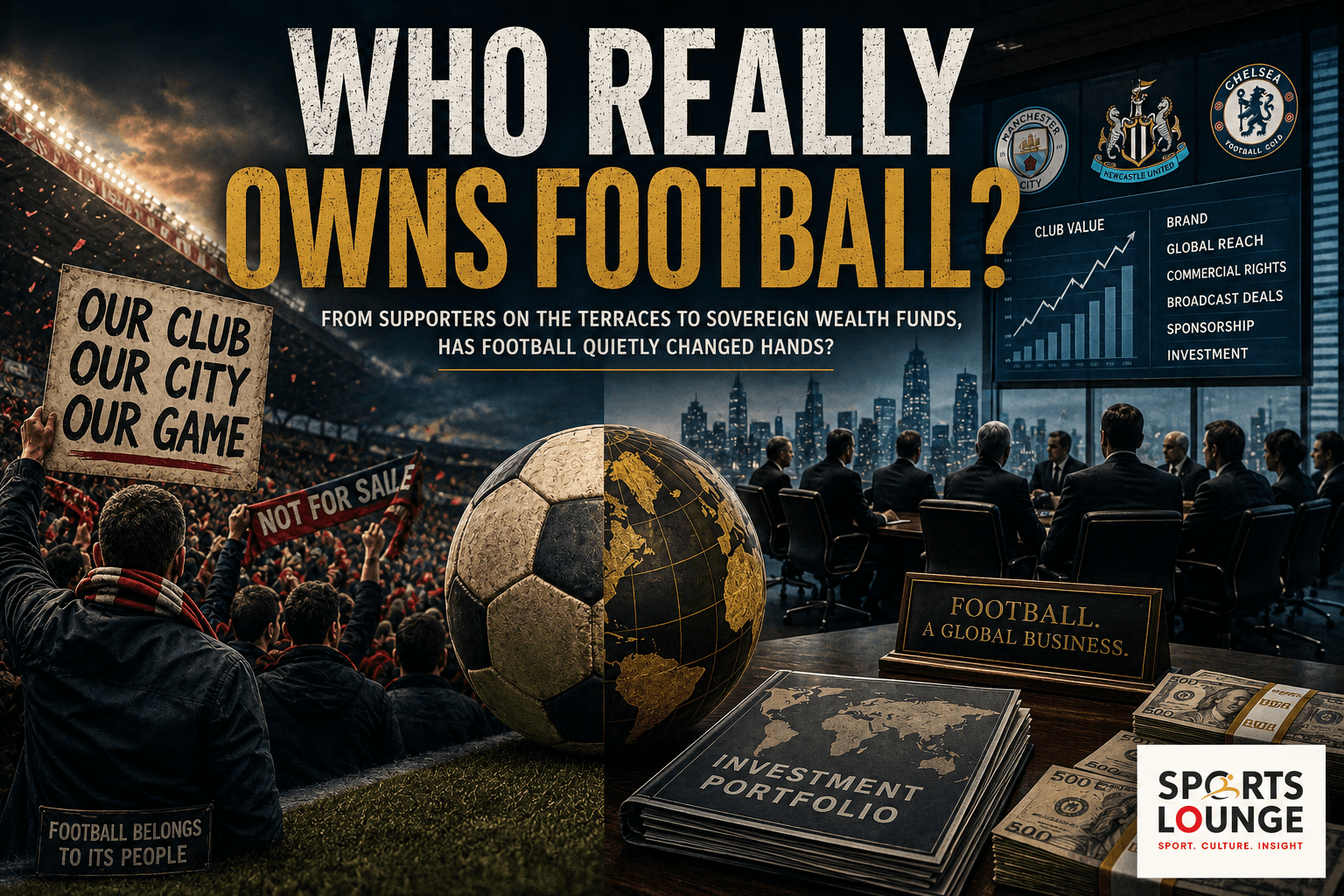
From supporters on the terraces to sovereign wealth funds, has football quietly changed hands ?
Few sporting competitions have transformed their game as dramatically as the Indian Premier League. In less than two decades, the IPL has grown from an ambitious domestic Twenty20 tournament into one of the most valuable and influential sporting properties in the world. Today it commands television audiences measured in hundreds of millions, attracts the finest cricketers from across the globe and generates revenues that rival many of the world's biggest sporting leagues.

For more than a century, football has belonged to nobody and everybody at the same time. That simple idea has been at the heart of the world's game. Clubs belong to communities. National associations govern within their own borders. Continental bodies such as UEFA, CONMEBOL and the AFC organise competitions. Above them all sits FIFA – not as an owner, but as the game's custodian.
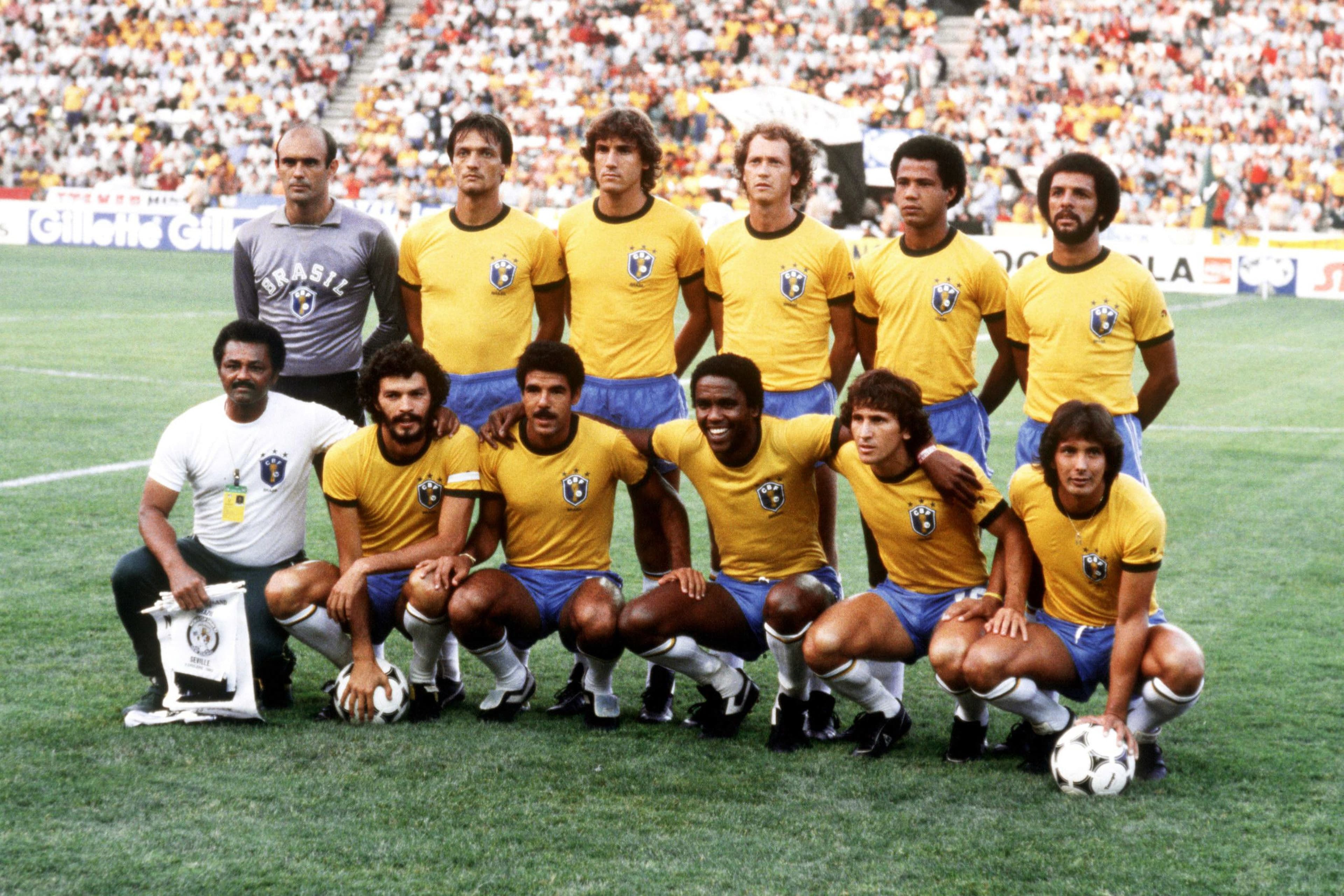
Brazil travelled to Spain with a midfield of rare intelligence, a captain who looked like a philosopher and a belief that football should offer beauty as well as victory. They did not win the World Cup, but more than four decades later, their football remains loved in a way many champions can only envy.
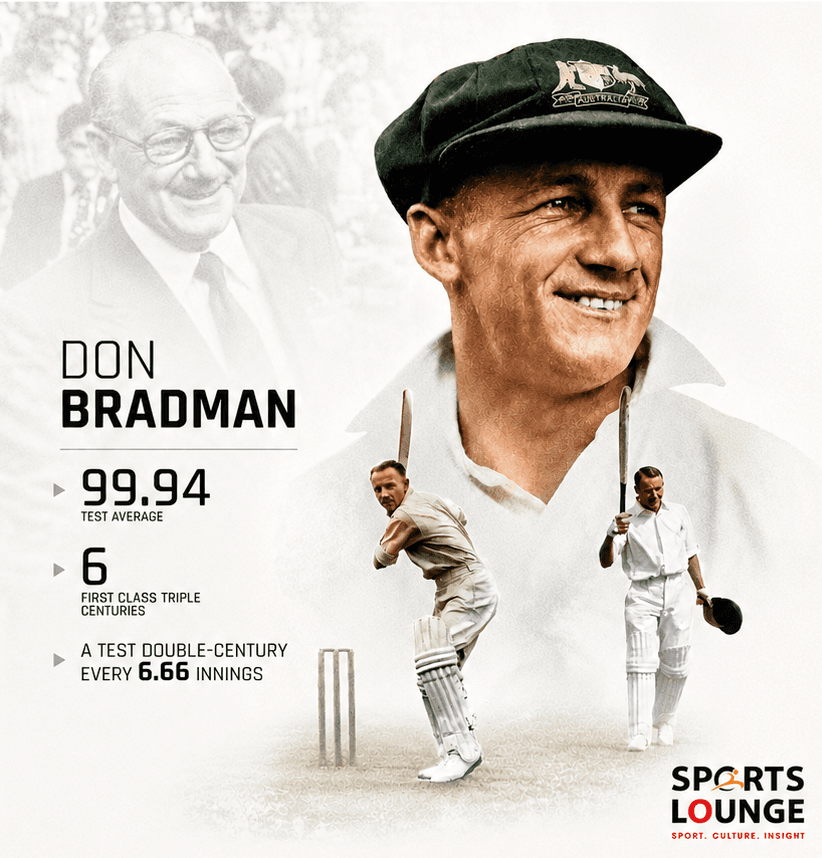
Don Bradman did more than score runs against England. For two decades, his presence changed the mood of Ashes cricket, forced English captains to rethink the game and created a standard of batting that has never been approached.